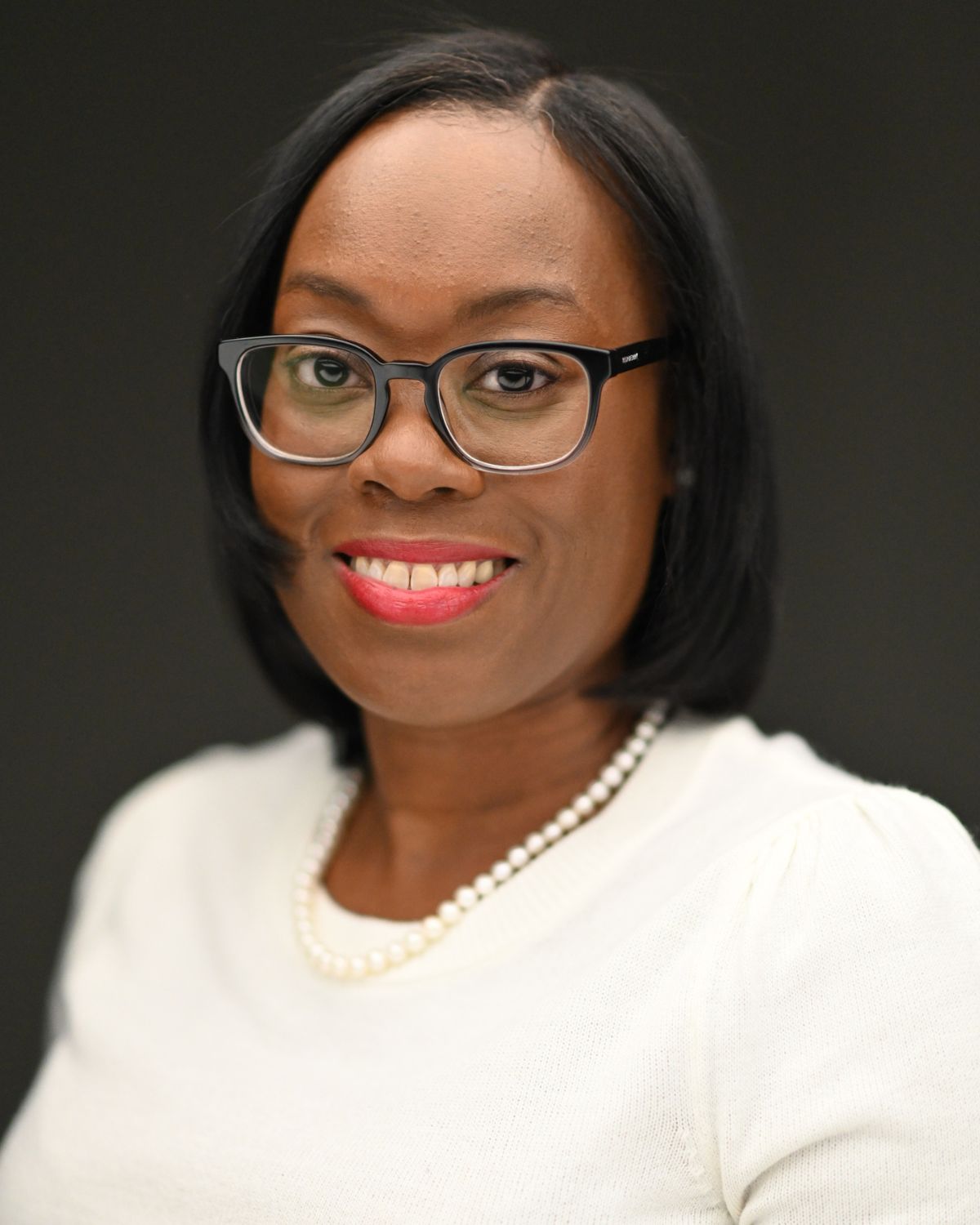
Dr. Ginah Nightingale has devoted her career to that intersection. A board-certified oncology pharmacist and former associate professor, she has published extensively on polypharmacy and medication safety in older adults with cancer — and she currently leads medical and scientific learning within the global Medical Affairs organization of a top-five biopharmaceutical company. She speaks, advises, and teaches on the evidence.
Dr. Nightingale serves as an Associate Director of Medical & Scientific Learning Excellence within the global Medical Affairs organization of a top-five biopharmaceutical company. She designs the scientific training strategy for a solid tumor pipeline — curricula that support field medical teams from onboarding through advanced scientific readiness — and partners across a matrixed global organization to align learning with medical strategy, so that the science reaches patients through clinicians and scientists who deeply understand it.
For sixteen years she held a dual appointment — Associate Professor of Pharmacy Practice at Thomas Jefferson University and Advanced Practice Pharmacist in medical oncology at its academic medical center — caring for patients, teaching, and conducting research concurrently. Across that period she authored 33 scholarly works, delivered invited presentations on two continents, co-authored international position statements on the care of older adults with cancer, and wrote the polypharmacy chapter of the Handbook of Geriatric Oncology.
Before industry, Dr. Nightingale held a dual appointment: Associate Professor of Pharmacy Practice at Thomas Jefferson University's Jefferson College of Pharmacy and Advanced Practice Pharmacist in medical oncology at Thomas Jefferson University Hospital. Across sixteen years she cared for patients, maintained a practice site, taught and coordinated coursework, chaired committees, and conducted research — concurrently.
Her scholarship centers on medication use in older adults with cancer. Her research on pharmacist-led medication assessment, published in the Journal of Clinical Oncology and the Journal of Geriatric Oncology, contributed to the growing adoption of structured medication review in the care of older adults with cancer. She has presented this work at International Society of Geriatric Oncology conferences in Geneva, Milan, Prague, and Lisbon, and at ASCO, HOPA, ASHP, and ACCC programs in the United States.
Lead and co-author of International Society of Geriatric Oncology (SIOG) position statements and interprofessional reports on the care of older adults with cancer.
Director of Programming for HOPA's pre-conference geriatric oncology session; repeat invited faculty at national oncology pharmacy meetings; keynote speaker at the ASHP Summer Meeting.
Founding Chair of the Jefferson College of Pharmacy Diversity, Equity & Inclusion Council — from charter to implemented curriculum, recruitment, and community-engagement initiatives within its first year.
Item writer for the national Board Certification in Oncology Pharmacy examination; HOPA competencies task force author; faculty research mentor whose mentees have published and presented nationally.
Organizations engage Dr. Nightingale in four ways. Each engagement draws on the same foundation: her published research in geriatric oncology and medication safety, sixteen years of academic and clinical practice, and her current work in global medical affairs.
Developed topics spanning geriatric oncology, polypharmacy and medication safety, oral anticancer therapy, health equity, interprofessional care, and medical education — each grounded in her published research. Dr. Nightingale has presented at SIOG international conferences, the ASCO Annual Meeting, HOPA, ASHP, and ACCC programs, and has designed and delivered ACPE-accredited continuing education throughout her career.
Browse her topicsDr. Nightingale advises on research design, protocol development, and program strategy where medication use, aging, and oncology intersect. She trained as an investigator at the ACCP Focused Investigator Training program, the Johns Hopkins Summer Research Institute, and the ASHP Foundation Research Boot Camp; collaborated on federally supported clinical research including a randomized controlled trial in older Black adults with diabetes; and co-authored the field's research-priorities framework for polypharmacy in older adults with cancer. She supports federal grants, foundations, health systems, and industry teams with formal investigator training and practical implementation experience.
Verify the research recordDr. Nightingale brings both clinical and business training to governance work: an Executive MBA from the Jack Welch Management Institute, national committee and task-force experience, founding chairmanship of an institutional DEI council, and current operating experience within a global top-five biopharmaceutical company. Her professional service spans more than a decade — writing board-certification examination items, co-authoring competency standards, and directing conference programming for national organizations.
Discuss a board mandateLearning design is Dr. Nightingale's current full-time work, practiced at enterprise scale. For organizations that need more than a lecture — a curriculum, a certificate program, a competency framework, an onboarding-to-advanced training pathway — she designs the underlying architecture. Her approach combines evidence-based cognitive science and instructional design with sixteen years of academic course direction, with program success measured by practice change rather than attendance.
Scope a training engagementEach area below is grounded in published research, professional appointments, or operating experience, with the underlying sources listed in the Research archive on this page.
Her primary research area. Dr. Nightingale has published original research, reviews, and framework papers on polypharmacy, potentially inappropriate medication use, and medication assessment in older adults with cancer — including studies of pharmacist-led medication review and the co-authored research-priorities framework for the field.
From quantifying the prevalence of major drug–drug interactions in older adults with cancer to evaluating clinical decision support software, her work sits where system design meets patient safety. She directed medication safety education for interprofessional learners, including a root-cause-analysis workshop embedded in a required medication safety course.
Sixteen years of academic course direction, curriculum development, and faculty mentorship — now applied at enterprise scale in her role leading medical and scientific learning for the global Medical Affairs organization of a top-five biopharmaceutical company, where curricula support field medical teams from onboarding through advanced scientific readiness on a solid tumor pipeline.
Her equity work spans research and institutional governance. She contributed to federally supported clinical research in older Black adults with diabetes, published on medication use in that population presenting to the emergency department, and served as founding chair of an institutional Diversity, Equity & Inclusion Council that moved from charter to implemented initiatives within its first year.
Her research consistently asks the systems question: what happens to hospitalizations, functional status, and outcomes when medication use is managed well — or isn't — and which team designs fix it. She helped author the international position statements integrating nurses, pharmacists, and allied health professionals into geriatric oncology care worldwide.
Each topic below draws on Dr. Nightingale's published research and professional experience. Outcome highlights are provided for programming committees, along with suggested audiences and formats. All topics can be adapted for CE accreditation, virtual delivery, and executive or policy briefings. Open any title for the full description.
Developed from her published research on pharmacist-led medication assessment and from the session she directed as pre-conference programming at the HOPA Annual Conference. Attendees leave with a working toolbox: structured medication review methods, deprescribing frameworks, chemotherapy toxicity calculators, and screening approaches for potentially inappropriate medications and unreported complementary medicine use.
The fastest-growing population in oncology is the one treatment paradigms were not originally built for. Drawing on her published review of how chronologic and functional age influence treatment-related effects, and on her years of clinical practice in medical oncology, Dr. Nightingale presents an evidence-based framework for individualized treatment decision-making.
Older adults with cancer routinely carry medication lists their care teams never see in full. Grounded in her original research quantifying major drug–drug interaction prevalence and evaluating clinical decision support software, this session maps where interactions hide, what they cost in outcomes and hospitalizations, and how structured pharmacist review changes the equation.
Most scientific training informs; far less of it changes practice. Drawing on her current role leading medical and scientific learning for the global Medical Affairs organization of a top-five biopharmaceutical company, and on sixteen years of academic course direction, Dr. Nightingale examines how cognitive science and instructional design turn dense science into durable capability.
Polypharmacy in aging populations is a growing public health concern that seldom receives sustained policy attention. Dr. Nightingale co-authored the field's research-priorities framework for polypharmacy in older adults with cancer and contributed to the systematic review and meta-analysis examining polypharmacy and adverse outcomes. For federal agencies, policy convenings, and public health audiences, this session translates the evidence into an actionable agenda: what the research shows, where the gaps are, and which levers — workforce, payment, decision support, deprescribing infrastructure — the evidence supports.
Medication risk does not distribute evenly. Dr. Nightingale's research includes federally supported clinical work in older Black adults with diabetes — a randomized controlled trial of a collaborative home-based intervention and original research on polypharmacy in this population presenting to the emergency department. Paired with her founding chairmanship of an institutional DEI council, this session connects the evidence on disparity to the practical work of building equitable medication safety — in clinics, communities, and institutions.
Care of older adults with cancer is increasingly team-based. Dr. Nightingale served as lead and co-author of the SIOG Nursing & Allied Health interprofessional reports and position statements, and this session presents the international consensus on team-based geriatric oncology care alongside the practical experience of sixteen years practicing within such a team at an academic medical center.
Medication safety fails in systems more often than in individuals. Dr. Nightingale developed and taught medication safety curriculum for interprofessional learners — including a root-cause-analysis workshop presented at the Jefferson Center for Interprofessional Education Conference — and her research on decision support and care transitions examines where safety systems hold and where they break down. This session offers quality leaders an evidence-based approach to building medication safety culture.
Cancer treatment increasingly happens at home, in tablet form — shifting the burden of adherence, monitoring, and interaction management onto patients who are often already managing long medication lists. Dr. Nightingale co-authored the International Society of Geriatric Oncology taskforce recommendations on adherence to oral cancer therapy in older adults, and has presented on oral chemotherapy in special populations at the ASHP Midyear Clinical Meeting and on targeted therapy in senior adults at HOPA. This session brings that evidence into practice.
Thirty-three scholarly works — original research, invited reviews, international position statements, case reports, and book chapters — presented in full for colleagues, programming committees, grant reviewers, and journalists. All works are indexed and independently verifiable through PubMed and their journals of record. Open any group for the full citations.
Nightingale G, Scopelliti EM, Casten R, Woloshin M, Xiao S, Kelley M, Chang AM, Hollander JE, Leiby BE, Peterson AM, Pizzi LT, Rising KL, White N, Rovner B. Polypharmacy and Potentially Inappropriate Medication Use in Older Blacks with Diabetes Mellitus Presenting to the Emergency Department. Journal of Aging and Health. 2021. DOI: 10.1177/08982643211045546
Mohamed MR, Ramsdale E, Loh KP, Xu H, Patil A, Gilmore N, Obrecht S, Wells M, Nightingale G, et al. Association of Polypharmacy and Potentially Inappropriate Medications With Physical Functional Impairments in Older Adults With Cancer. Journal of the National Comprehensive Cancer Network. 2021;1:1–8.
Casten R, Rovner B, Chang AM, Hollander JE, Kelley M, Leiby B, Nightingale G, et al. A randomized clinical trial of a collaborative home-based diabetes intervention to reduce emergency department visits and hospitalizations in Black individuals with diabetes. Contemporary Clinical Trials. 2020;95:106069.
Lu-Yao G, Nikita N, Keith SW, Nightingale G, et al. Mortality and hospitalization risk following oral androgen signaling inhibitors among men with advanced prostate cancer by pre-existing cardiovascular comorbidities. European Urology. 2020;77(2):158–66.
Lu-Yao G, Nightingale G, Nikita N, Keith S, Gandhi K, Swartz K, Zinner R, Sharma S, Kelly WMK, Chapman A. Relationship between polypharmacy and inpatient hospitalization among older adults with cancer treated with intravenous chemotherapy. Journal of Geriatric Oncology. 2020 May.
Nightingale G, Pizzi LT, Barlow A, Barlow B, Jacisin T, McGuire M, Swartz K, Chapman A. The prevalence of major drug-drug interactions in older adults with cancer and the role of clinical decision support software. Journal of Geriatric Oncology. 2018 Mar.
Kesmodel SB, Goloubeva OG, Rosenblatt PY, Heiss B, Bellavance EC, Chumsri S, Bao T, Thompson J, Nightingale G, Tait NS, Nichols EM. Patient-reported Adherence to Adjuvant Aromatase Inhibitor Therapy Using the Morisky Medication Adherence Scale. American Journal of Clinical Oncology. 2018;41(5):508–12.
Nightingale G, Pizzi LT, Hajjar E, Wang M, Pigott E, Doherty S, et al. Implementing a Pharmacist-led Individualized Medication Assessment and Planning (iMAP) Pilot to Improve Medication Use During Care Transitions in Senior Adult Oncology (SAO) Patients. Journal of Geriatric Oncology. 2017;8(4):296–302.
Nightingale G, Hajjar ER, Guo K, Komura S, Urnoski E, Sendecki J, Swartz K, Chapman A. A pharmacist-led medication assessment used to determine a more precise estimation of the prevalence of complementary and alternative medication (CAM) use among ambulatory senior adults with cancer. Journal of Geriatric Oncology. 2015;6:411–7.
Nightingale G, Hajjar ER, Swartz K, Sendecki JA, Chapman AE. A pharmacist-led medication assessment used to identify prevalence of and associations with polypharmacy (PP) and potentially inappropriate medication (PIM) use among ambulatory senior adults with cancer. Journal of Clinical Oncology. 2015;33:1453–9.
Nightingale G, Trovato J, Lee M, Thompson J. Carboplatin dosing in overweight and obese patients: a single center experience. Journal of Hematology Oncology Pharmacy Practice. 2011;1:18–24.
Kantilal K, Kantilal K, Nightingale G, Ramsdale E. How-to guide for medication reviews in older adults with cancer: A Young International Society of Geriatric Oncology and Nursing & Allied Health Interest Group initiative. Journal of Geriatric Oncology. 2022 Jun.
Whitman A, Erdeljac P, Jones C, Pillarella N, Nightingale G. Managing Polypharmacy in Older Adults with Cancer Across Different Healthcare Settings. Drug, Healthcare and Patient Safety. 2021;13:101.
Nightingale G, Mohamed MR, Holmes HM, Sharma M, Ramsdale E, Lu-Yao G, et al. Research priorities to address polypharmacy in older adults with cancer. Journal of Geriatric Oncology. 2021 Feb.
Barlow A, Prusak ES, Barlow B, Nightingale G. Interventions to reduce polypharmacy and optimize medication use in older adults with cancer. Journal of Geriatric Oncology. 2020 Dec.
Mohamed MR, Ramsdale E, Loh KP, Arastu A, Xu H, Obrecht S, Castillo D, Sharma M, Holmes HM, Nightingale G, et al. Associations of Polypharmacy and Inappropriate Medications with Adverse Outcomes in Older Adults with Cancer: A Systematic Review and Meta-Analysis. The Oncologist. 2019;24:1–15.
Nightingale G, Schwartz R, Kachur E, Dixon BN, Cote C, Barlow A, et al. Clinical pharmacology of oncology agents in older adults: A comprehensive review of how chronologic and functional age can influence treatment-related effects. Journal of Geriatric Oncology. 2018 Jul.
Nightingale G, Skonecki E, Boparai MK. Polypharmacy in Older Adults with Cancer: Evaluating Polypharmacy as Part of the Geriatric Assessment. Current Geriatrics Reports. 2017;6(4):219–30.
Nightingale G, Skonecki E, Boparai M. The Impact of Polypharmacy on Patient Outcomes in Older Adults with Cancer. The Cancer Journal. 2017;23(4):211–218.
Sharma M, Loh KP, Nightingale G, Mohile SG, Holmes HM. Polypharmacy and potentially inappropriate medication use in geriatric oncology. Journal of Geriatric Oncology. 2016;7:346–53.
Suh KS, Tanaka T, Sarojini S, Nightingale G, Gharbaran R, Pecora A, Goy A. The role of the ubiquitin proteasome system in lymphoma. Critical Reviews in Oncology/Hematology. 2013;7:306–22.
Nightingale G, Ryu J. Cabazitaxel: a novel agent for metastatic castration-resistant prostate cancer (mCRPC). P&T. 2012;37:440–8.
Nightingale G. Ofatumumab: a novel anti-CD20 monoclonal antibody for treatment of refractory chronic lymphocytic leukemia. Annals of Pharmacotherapy. 2011;45:1248–55.
Puts M, Strohschein F, Oldenmenger W, Haase K, Newton L, Fitch M, Sattar S, Stolz-Baskett P, Jin R, Loucks A, Nightingale G. Position statement on oncology and cancer nursing care for older adults with cancer and their caregivers of the International Society of Geriatric Oncology Nursing and Allied Health Interest Group, the Canadian Association of Nurses in Oncology Oncology & Aging Special Interest Group, and the European Oncology Nursing Society. Journal of Geriatric Oncology. 2021 Mar.
Nightingale G, Battisti NM, Loh KP, Puts M, Kenis C, Goldberg A, Haase KR, Krok-Schoen J, Liposits G, Sattar S, Stolz-Baskett P. Perspectives on functional status in older adults with cancer: An interprofessional report from the International Society of Geriatric Oncology (SIOG) nursing and allied health interest group and young SIOG. Journal of Geriatric Oncology. 2020 Nov.
Nightingale G, Burhenn PS, Puts M, Stolz-Baskett P, Haase KR, Sattar S, Kenis C. Integrating Nurses and Allied Health Professionals in the care of older adults with cancer: A report from the International Society of Geriatric Oncology Nursing and Allied Health Interest Group. Journal of Geriatric Oncology. 2020;11(2):187–90.
Magnuson A, Sattar S, Nightingale G, Saracino R, Skonecki E, Trevino KM. A practical guide to geriatric syndromes in older adults with cancer: a focus on falls, cognition, polypharmacy, and depression. American Society of Clinical Oncology Educational Book. 2019;39:e96–109.
Mislang AR, Wildes TM, Kanesvaran R, Baldini C, Holmes HM, Nightingale G, Coolbrandt A, Biganzoli L. Adherence to Oral Cancer Therapy in Older Adults: The International Society of Geriatric Oncology (SIOG) Taskforce Recommendations. Cancer Treatment Reviews. 2017;57:58–66.
Nightingale G, Saunders IM, Comeau JM, Fancher K, Miller T, O'Bryant C, Yeh J. Hematology/Oncology Pharmacy Association Entry-level Competencies Task Force Response Statement to the 2016 American College of Clinical Pharmacy Pharmacotherapy Didactic Curriculum Toolkit. Pharmacotherapy. 2017;37(5).
Guerard EJ, Nightingale G, Bellizzi K, Burhenn P, Rosko A, Artz AS, Korc-Grodzicki B, Canin B, Dale W, Ferrell B. Survivorship care for older adults with cancer: U13 Conference Report. Journal of Geriatric Oncology. 2016;7:305–12.
Burhenn PS, McCarthy AL, Begue A, Nightingale G, Cheng K, Kenis C. Geriatric assessment in daily oncology practice for nurses and allied health care professionals: opinion paper of the Nursing and Allied Health Interest Group of the International Society of Geriatric Oncology (SIOG). Journal of Geriatric Oncology. 2016;7:315–24.
Nightingale G, Boparai M. Polypharmacy (Chapter 8). In: Handbook of Geriatric Oncology. Springer Publishing / Demos Medical. 2017.
Chen LJ, Nightingale G, Baer M. Mercaptopurine-induced fever: hypersensitivity reaction in a patient with acute lymphoblastic leukemia. Pharmacotherapy. 2010;30:65–7.
International society conferences, national meetings, health-system grand rounds, and community programs — the complete record, with selected peer-reviewed poster presentations. Since 2023, Dr. Nightingale's teaching has been delivered within industry as part of her role in enterprise scientific training; she accepts a limited number of external engagements.
Special Symposium on Research for Older Adults — Pharmacology Monitoring and Drug-Drug Interactions.Oral podium presentation, SIOG Annual Conference · Geneva, Switzerland
Polypharmacy 101: Targeting the Basics.Invited international webinar, SIOG Nursing & Allied Health Group
Polypharmacy Assessment and Medication Management.Oral podium presentation, SIOG Annual Conference · Milan, Italy
Implementing a Pharmacist-led Individualized Medication Assessment and Planning (iMAP) Pilot to Improve Medication Use During Care Transitions in Senior Adult Oncology Patients.Oral podium presentation, SIOG Annual Conference · Prague, Czech Republic
A Pharmacist-led Medication Assessment Used to Identify Prevalence and Associations with Potentially Inappropriate Medication Use among Ambulatory Senior Adults with Cancer.Oral podium presentation, SIOG Annual Conference · Lisbon, Portugal
A ReMEDy Toolbox: Providing Care for Older Adults with Cancer.Director of Programming, pre-conference session · HOPA Annual Conference, Tampa (virtual)
What's in Your ReMEDy Toolbox: Utilizing Chemotherapy Toxicity Calculators to Guide Decision Making for Older Adults with Cancer.Oral podium presentation · HOPA Annual Conference, Tampa (virtual)
Special Issues with Prescriptions in Older Patients with Cancer: Polypharmacy and Drug Interactions.Oral podium presentation · American Society of Clinical Oncology (ASCO) Annual Meeting, Chicago
Time for a ReMEDy: A Focus on Pharmacy and the Older Adult.Invited national webinar · Association of Community Cancer Centers (ACCC), Multidisciplinary Approaches to Caring for Geriatric Cancer Patients series
"Silver Survivors" Too Old for Treatment? An Update on how Chronologic and Functional Age Can Influence Treatment-related Effects.Oral podium presentation · HOPA Annual Conference, Fort Worth
Opportunities in Scholarship: A Focus on Foundational Grants and the Scholarship of Teaching and Learning.Invited national webinar · AACP Pharmacy Practice Faculty Development Committee
Cognitive Impairment in Older Adults with Cancer: Time to Remember the Intersection Between Cancer, Cognitive Impairment and Chemotherapy.Oral podium presentation · HOPA Annual Conference, Denver
Crossroads, Junctions and Roundabouts: The Intersection between Polypharmacy and Drug Interactions in Geriatric Oncology.Oral podium presentation · HOPA Annual Conference, Anaheim
Rising to the Challenge.Keynote Speaker, Donor Breakfast · ASHP Summer Meeting, Baltimore
Tips on Being a Successful AACP New Investigator Award Recipient.Invited national webinar · AACP Practice Section Research and Scholarship Committee
The Bulls-Eye of Targeted Therapy in Senior Adults with Solid Tumors: A Moving Target?Oral podium presentation · HOPA Annual Conference, Austin
Oral Chemotherapy Use in Special Populations (Geriatrics and Pediatrics).Invited oral presentation · ASHP Midyear Clinical Meeting, Section of Clinical Scientists and Specialists, Anaheim
Polypharmacy and Potentially Inappropriate Medication Use in Senior Adult Oncology (SAO) Patients.Oral podium presentation · HOPA Annual Conference, New Orleans
Time for a ReMEDy: A Focus on Medication Use and the Older Adult.Oral podium presentation · 13th Annual Northeast Regional Hematology Oncology Pharmacists Symposium, Burlington, MA
Medication Management in the Older Adult with Cancer.Geriatric Oncology Symposium · Hartford HealthCare, Hartford Hospital, CT
Polypharmacy 101: Targeting the Basics.Oncology Nurses Educational Session · Thomas Jefferson University Hospital, Philadelphia
Development of an Inter-professional Root Cause Analysis (RCA) Workshop within a Required Medication Safety Course.Oral podium presentation · Jefferson Center for Inter-professional Education Conference, Philadelphia
Getting Your 1st Research Grant: Tips from a New Investigator.Faculty Development Seminar · Jefferson College of Pharmacy
Polypharmacy and Potentially Inappropriate Medication Use in Senior Adult Oncology Patients.Jefferson Kimmel Cancer Center Network Educational Session, Philadelphia
Foundations and Fundamentals of IPPE V: Guiding Students in Developing Patient Care Plans.Preceptor Development Session · Jefferson School of Pharmacy
New and Emerging Treatments for Breast Cancer.Kimmel Cancer Network Conference · Thomas Jefferson University Hospital
Protection 101: Update on ASCO Guidelines on Chemotherapy Cytoprotectants.Clinical Update in Pharmacotherapy Conference · University of Maryland Medical Center
Numb Toes and Other Woes: Update on Effective Management Strategies for Chemotherapy-Induced Peripheral Neuropathy.ACPE Continuing Education Program · University of Maryland School of Pharmacy
HOT SHOTS! Vaccination Update 2008.ACPE Continuing Education Program · Temple University School of Pharmacy
Medication Use in Breast Cancer Patients.Susan G. Komen Breast Cancer Awareness Event · Haven Penial United Methodist Church, Philadelphia
Potentially Inappropriate Medication Use and Cognition in Older Women with Breast Cancer: A Prospective Pilot Study.Nightingale G, et al. · Journal of Geriatric Oncology 2019;10(6):S71–S72
Relationships among Patient Diabetes Self-Care Behaviors, Depression and Self-Reported Medication Adherence in African Americans with Diabetes.Xiao S, et al., Nightingale G · ACCP Annual Meeting, New York
Risky Business: Prevalence of High-Risk Medication Use in Senior Adult Oncology Patients at an Academic Medical Center.Urnoski E, Nightingale G · ASHP Midyear Clinical Meeting, Anaheim
Therapeutic Drug Monitoring of Low Molecular Weight Heparin Anticoagulant Therapy.Shah R, et al., Nightingale G · ASHP Midyear Clinical Meeting, Orlando
Tumor Lysis Syndrome Associated with Carboplatin and Paclitaxel for Endometrial Cancer.Miao D, et al., Nightingale G · ASHP Midyear Clinical Meeting, Las Vegas
Evaluation of Venous Thromboembolism Pre- and Post-Implementation of a DVT Risk Assessment Form in a Community Hospital.Nightingale G, et al. · ASHP Midyear Clinical Meeting, Las Vegas
Approved biographies in three lengths, a ready-to-read podium introduction, a fact sheet, and headshots — publication-ready for confirmed engagements and press coverage.
Dr. Ginah Nightingale, PharmD, MBA, BCOP, is a board-certified oncology pharmacist, former Associate Professor at Thomas Jefferson University, and a published researcher on polypharmacy and medication safety in older adults with cancer. She currently leads medical and scientific learning within the global Medical Affairs organization of a top-five biopharmaceutical company.
Dr. Ginah Nightingale, PharmD, MBA, BCOP, has spent her career at the intersection of aging, oncology, and medication safety. Over sixteen years in a dual appointment at Thomas Jefferson University — Associate Professor of Pharmacy Practice and Advanced Practice Pharmacist in medical oncology — she authored 33 scholarly publications, co-authored the international position statements guiding care of older adults with cancer, and delivered invited presentations across five countries, including SIOG conferences in Geneva, Milan, Prague, and Lisbon, and the ASCO Annual Meeting. Today she serves as Associate Director of Medical & Scientific Learning Excellence within the global Medical Affairs organization of a top-five biopharmaceutical company, where she designs scientific training for a solid tumor pipeline. She holds an Executive MBA from the Jack Welch Management Institute.
Dr. Ginah Nightingale, PharmD, MBA, BCOP, is an oncology pharmacist, researcher, and medical affairs executive whose work centers on medication safety in older adults with cancer. Her research on pharmacist-led medication assessment contributed to the adoption of structured medication review in geriatric oncology care, and she currently designs scientific learning at enterprise scale.
For sixteen years, Dr. Nightingale held a dual appointment at Thomas Jefferson University in Philadelphia: Associate Professor of Pharmacy Practice at the Jefferson College of Pharmacy and Advanced Practice Pharmacist in medical oncology at Thomas Jefferson University Hospital. Practicing and publishing concurrently, she authored 33 scholarly works — original research in journals including the Journal of Clinical Oncology and Journal of Geriatric Oncology, the field's research-priorities framework for polypharmacy, international position statements of the International Society of Geriatric Oncology, and the polypharmacy chapter of the Handbook of Geriatric Oncology. Her invited presentations span five countries, including SIOG conferences in Geneva, Milan, Prague, and Lisbon; the ASCO Annual Meeting; repeat faculty appearances at HOPA; and a keynote at the ASHP Summer Meeting. She served as founding chair of the Jefferson College of Pharmacy Diversity, Equity & Inclusion Council and has served the profession as a BCOP examination item writer and HOPA task-force author.
Today, Dr. Nightingale is Associate Director of Medical & Scientific Learning Excellence within the global Medical Affairs organization of a top-five biopharmaceutical company, where she designs the curricula that support field medical teams from onboarding through advanced scientific training on a solid tumor pipeline. She earned her Doctor of Pharmacy from Rutgers University, completed residency training at Temple University Health System and an oncology specialty residency at the University of Maryland, and holds an Executive MBA from the Jack Welch Management Institute. She speaks in her independent expert capacity.
"Our next speaker has spent her career on a question medicine is still learning to ask: what happens when the fastest-growing population of cancer patients is also the most medicated? Dr. Ginah Nightingale is a board-certified oncology pharmacist who spent sixteen years as a professor and practicing clinician at Thomas Jefferson University — publishing thirty-three scholarly works, contributing to international position statements on the care of older adults with cancer, and presenting her research from Geneva to Lisbon to the ASCO Annual Meeting. Today, she leads medical and scientific learning for the global medical affairs organization of one of the world's largest biopharmaceutical companies. Please join me in welcoming Dr. Ginah Nightingale."
[PRONUNCIATION GUIDE — confirm phonetic spelling of "Ginah" with Dr. Nightingale and insert here, e.g. "(GEE-nah)". Getting her name right is part of the introduction.]
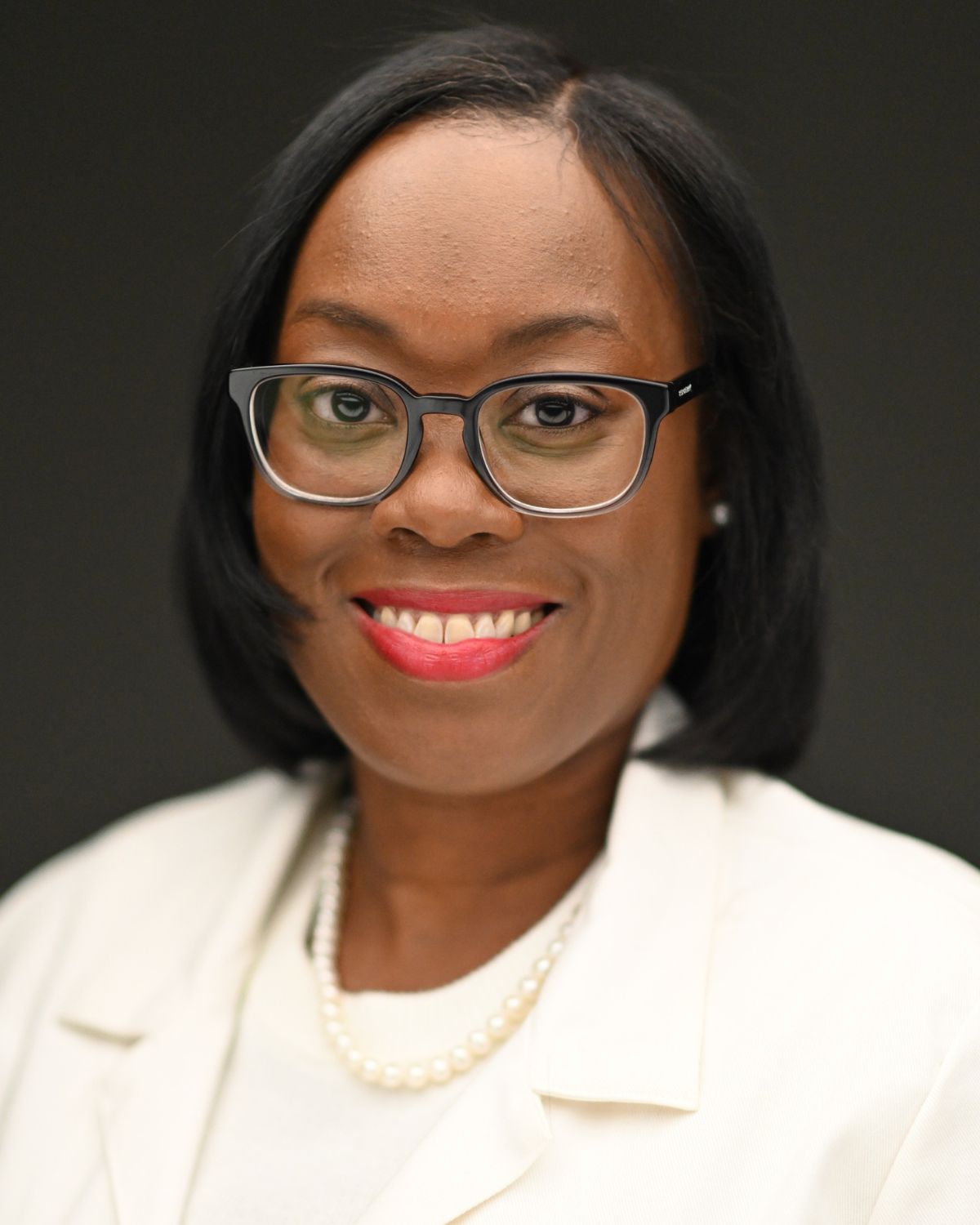
images/headshot-b.jpgAlternate portrait · 1200 × 1500 px (4:5)
images/speaking-photo.pngOn-stage / conference candid · 1800 × 1200 px (3:2 landscape)
Photos are approved for use in event promotion and press coverage of confirmed engagements. Please credit where credit is indicated in the file name.
Dr. Nightingale accepts a limited number of engagements each year and reviews every inquiry personally for fit. Choose the engagement type below — the form will ask only for what that inquiry needs — and expect a response within three business days.